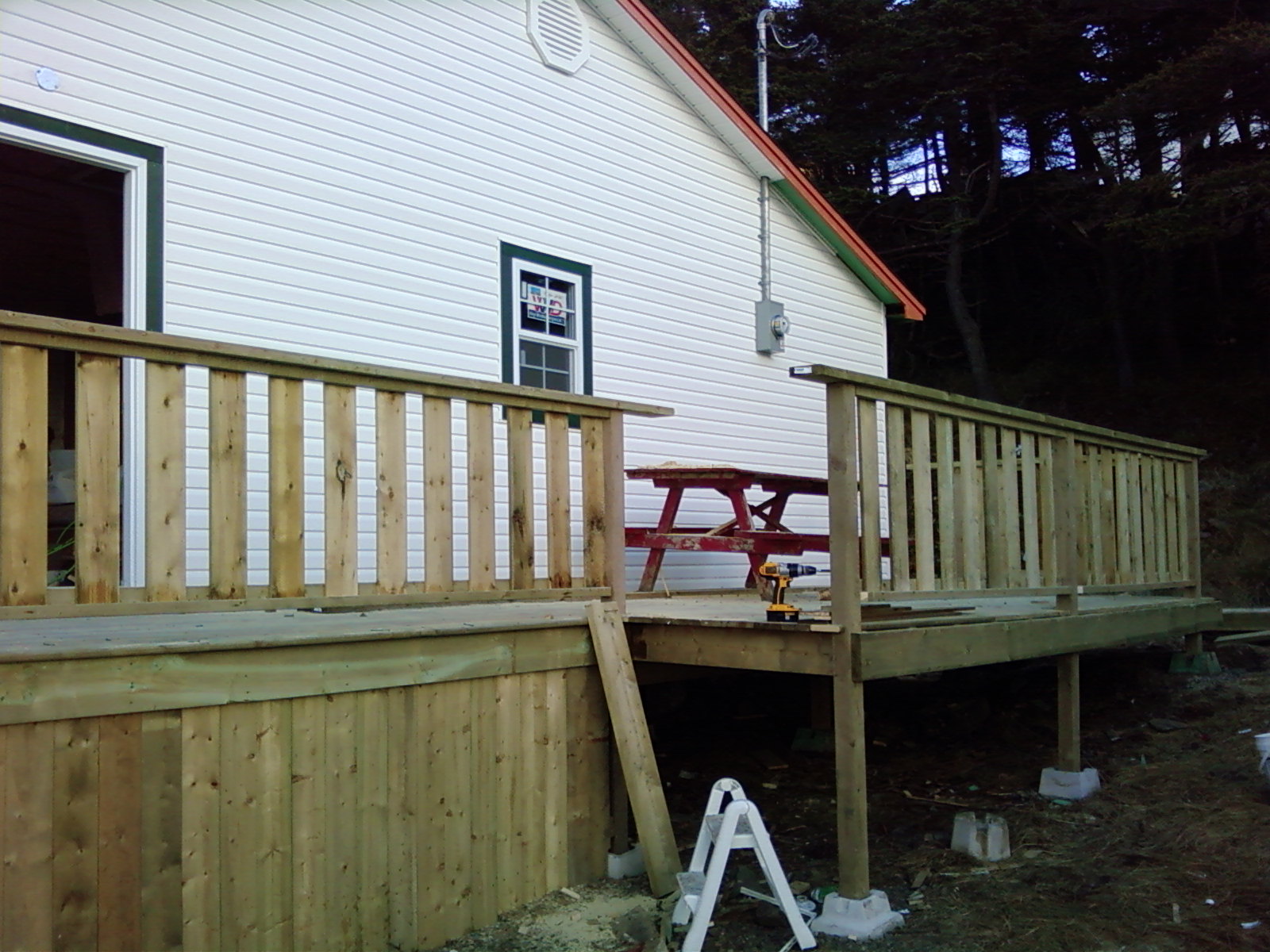
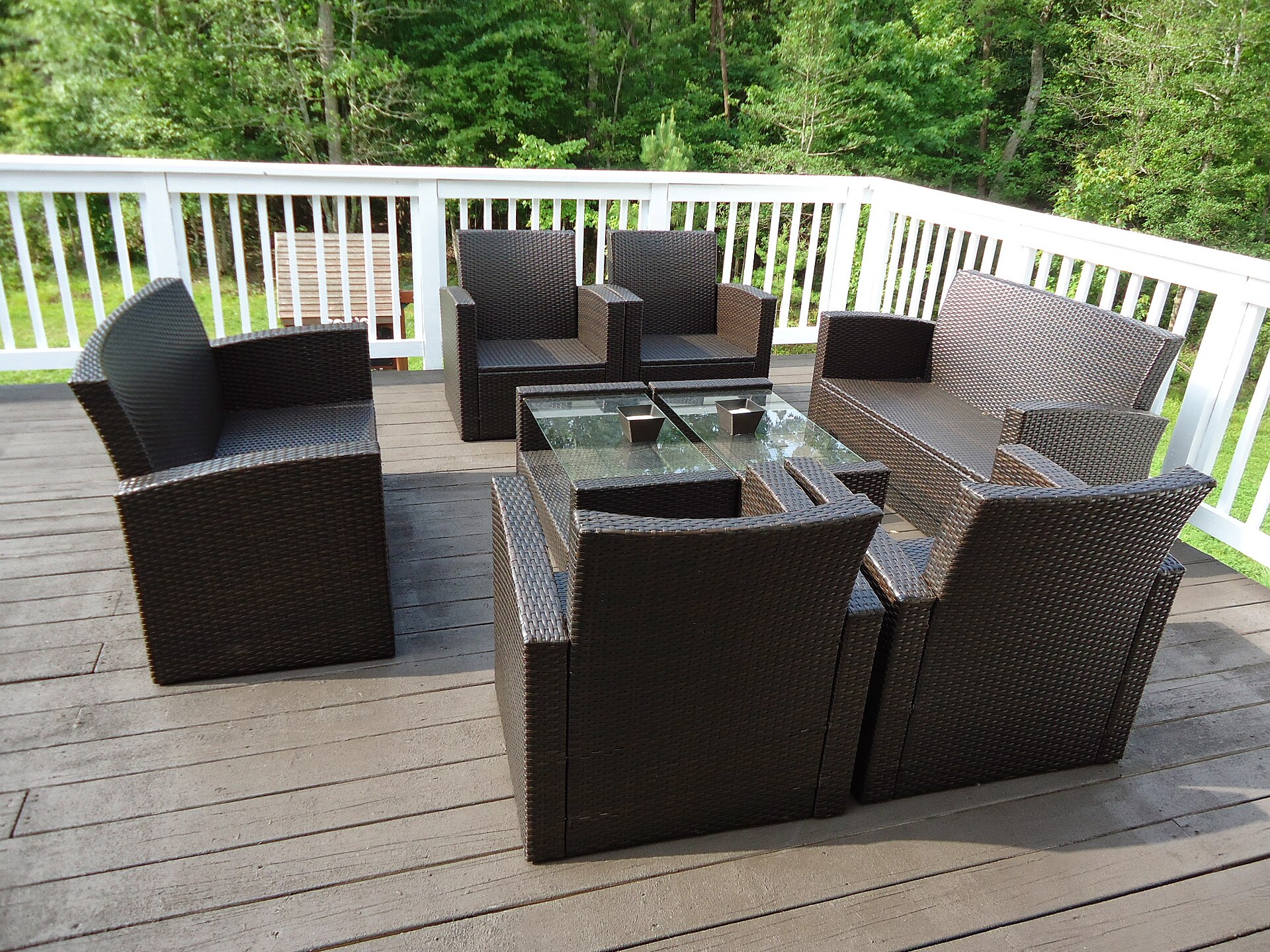
Buying a new deck in Langley
Langley splits into two municipalities, and your deck permit depends on which one your lot sits in. The population here is the Township of Langley — about 164,000 people (BC Stats, 2025) spread from Walnut Grove and Willoughby in the north, through Murrayville and Brookswood–Fernridge, out to Fort Langley, Aldergrove and the acreages of Glen Valley. The small City of Langley (the downtown core, about 35,000 people, BC Stats 2025) is a separate city hall with its own permit counter. Most "Langley" addresses are Township, but confirm which jurisdiction you're in before anyone draws a plan — it decides where the application goes and what it costs you in time.
Permits and bylaw rules
For Township addresses, the [residential building permits page](https://www.tol.ca/en/building-development/residential-building-permits.aspx) is the reference. Select permit applications must now be filed online through the Township's eApply system — paper applications are no longer accepted where digital submission is available. The Township's [Residential Construction Guide](https://www.tol.ca/en/building-development/resources/building/bulletins-forms-resources/Document-Feed-Building-Forms/PLI---Residential-Construction---Additions,-Alterations-and-Accessory-Buildings.pdf) confirms a building permit is required to construct a new structure or alter an existing one, and your site plan has to show the proposed deck, its setbacks to property lines, any easements or rights-of-way, watercourses, and — on unserviced rural lots — septic field and well locations. For a building permit application on a property with septic service, a Registered Onsite Wastewater Practitioner completes a Fraser Health record of filing if the system needs work or a Building Permit Referral form if it doesn't. If the Fraser Health filing is still in progress, you can submit the referral with your application and provide the record before the Township issues the permit. If your address is in the City of Langley instead, permits run through the [City's building permits page](https://www.langleycity.ca/business-development/permits-licensing/building-permits-0) (604-514-2804), where the [Residential Deck Package](https://www.langleycity.ca/media/file/residential-deck-package) confirms that a deck more than 2 ft (600 mm) above finished grade, or a cover over an existing deck, needs a building permit. In the Township, confirm the permit trigger with the Township's building department before you design — in either jurisdiction, treat "no permit needed" claims from a builder as a red flag until municipal staff confirm it.
Lots, soil and climate
Langley's lot sizes run the range: compact new subdivision lots in Willoughby, half-acre-plus treed lots in Brookswood and Murrayville, and multi-acre ALR parcels in Aldergrove and Glen Valley. Big treed lots mean shade, needles and debris — the classic case for composite or PVC boards that shrug off moss and rot, with cedar where the budget wants warmth and you'll re-stain it. Fraser Valley ground stays wet through the long rainy season from autumn to spring: valley clays hold water, low pockets near the Nicomekl, Salmon and Fraser rivers sit high in the water table, and footings that are fine in August can be standing in groundwater by November. A builder who digs footing holes before quoting, rather than after, is worth more in Langley than almost anywhere else in Metro Vancouver. Rain, not snow, is the design enemy — slope the framing, plan the gaps, and detail the ledger flashing for the long wet season, roughly October to April.
The season
The Fraser Valley build season runs roughly April through October. Good builders are booking late-winter quotes for spring starts, and June-through-August slots fill first; an August call may buy you an October build. Framing in the dry months is faster and safer for the lumber. Off-season builds happen — Langley winters are mild — but expect tarps, mud, and schedule flex around rain events.
What drives the price and what to ask
Quotes in Langley swing on height above grade (taller decks need guards, stairs and sometimes engineered drawings), footing count and depth on wet clay, slope and access — Willoughby's terraced lots and Fort Langley's river-adjacent grades add post length and excavation — material choice (pressure-treated, cedar, composite), railing upgrades like glass on view lots, tree and stump removal on acreage, and demolition of the old deck. Rural lots add the septic-and-well survey check before anything is staked.
Ask each Langley deck builder:
- Will you confirm my address is Township or City of Langley, and who pulls the permit — you or me?
- Are my footings specified for wet clay and a winter water table, not just August ground?
- On a septic-serviced lot, how do you verify field and tank locations before digging?
- Is the deck height above grade measured now, and what guard and railing does that trigger under the BC Building Code?
- What material do you recommend for a shaded, treed lot, and what does each option cost to maintain over ten years?
- Is the ledger flashing detail in the quote, and how is it integrated with my siding?
- What is fixed-price versus estimate — excavation, rock, and rot repair once the old deck comes off?
- What's the warranty on structure versus materials, and who services it in year three?