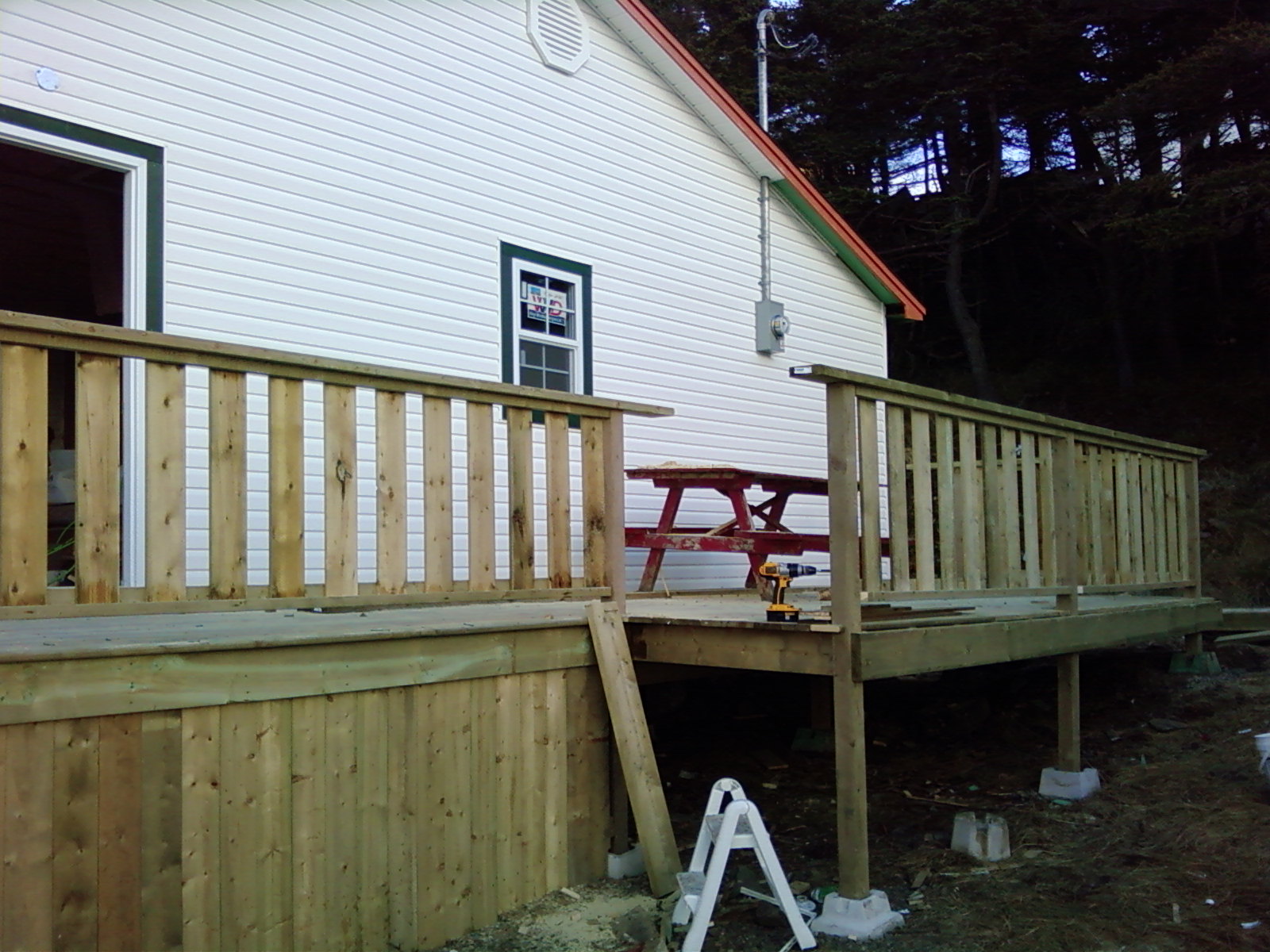
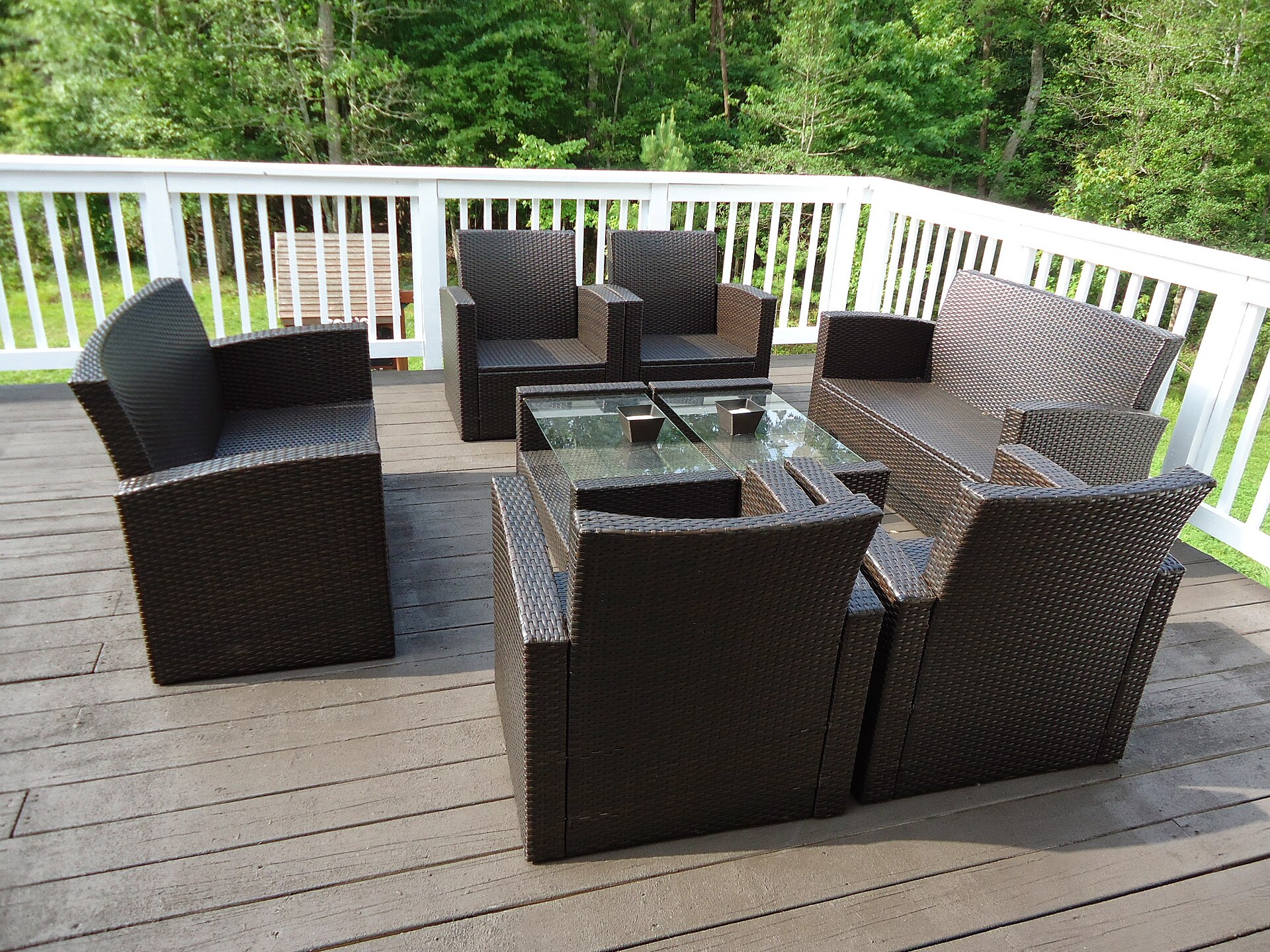
Buying a new deck in Kelowna
Kelowna had 144,576 residents in the [2021 Census Profile](https://web.archive.org/web/20240924085046/https://www12.statcan.gc.ca/census-recensement/2021/dp-pd/prof/details/page.cfm?Lang=E&SearchText=kelowna&GENDERlist=1&STATISTIClist=1&DGUIDlist=2021A00055935010&HEADERlist=0). The city spreads across the benches and hillsides around Okanagan Lake — older ranchers and split-entries through Rutland and Glenmore, larger homes climbing the Upper Mission and Dilworth slopes. For a deck buyer, Kelowna's climate is the design brief in a way the coast never is: the structure has to carry snow, the materials have to survive long stretches of strong sun, and in recent summers the fire season has reached the city's own neighbourhoods, which puts a premium on how a deck is detailed and what it is made of.
Permits and bylaw rules
The City's [deck bulletin](https://www.kelowna.ca/homes-building/building-permits-inspections/permit-applications-requirements/deck-bulletin) is the reference: it covers building permits for decks and uncovered platforms without a roof or walls — including ones with railings or visual partitions — whose walking surface sits more than 0.6 metres above grade, and it carries the application checklist the City expects with the drawings. The City's [Building Bylaw](https://www.kelowna.ca/city-hall/city-government/bylaws-policies/building-bylaw) page sets out what a permit application must include, the fees, and the conditions where a permit may not be required. Before the drawings go far, confirm the siting rules for your parcel — setbacks, height and coverage follow the City's zoning rules, and hillside lots can carry added development requirements a flat bench lot does not.
Lots, soil and climate
The benches are glacial till and silty sediments, with rocky outcrops and steeper grades as you climb — so footing design and excavation expectations change street by street. Summers are hot and dry, winters bring snow and sustained freezes, and shoulder seasons swing between the two. That climate is hard on a poorly built deck from both directions: snow load the framing has to be sized for, and sun that checks, cups and greys boards that are not ventilated or finished for it. Wildfire is the third factor: with the fire seasons of recent memory, many owners ask about ember-resistant materials, screened or enclosed undersides, and keeping the zone under and around the deck clear of needles and debris.
The season
April through October is the main build season, and the best footing weather is late spring. July and August can be punishingly hot for crews, so schedules shift to early starts. Winter builds are possible but slow — frozen ground, snow cover and short days — so quotes should be in motion by late winter to hold a spring date, with the City's permit review time on top.
What drives the price and what to ask
Kelowna quotes swing on snow-load design, footing depth for frost and soil, slope access and staging on hillside lots, guards and stairs on anything raised, wildfire-resistant materials and detailing, demolition and disposal of an old deck, and the choice between pressure-treated, cedar and composite — with composite's fade and heat behaviour in strong sun worth asking about directly.
Ask each Kelowna deck builder:
- Does my deck fall under the City's deck bulletin — over 0.6 metres above grade — and who files the permit? [Deck bulletin](https://www.kelowna.ca/homes-building/building-permits-inspections/permit-applications-requirements/deck-bulletin).
- Is the structure sized for local snow load, and is that shown on the drawings?
- What footing depth do my soil and frost conditions need, and what happens if you hit rock?
- On my slope, how do machines and material get in, and is that in the price?
- How is the deck detailed for fire resistance — materials, screened undersides, clearances?
- How is it ventilated and flashed so boards do not bake, check or cup in the summer sun?
- What guard height and railing does my finished deck height require under the BC Building Code?
- What does the written warranty cover — structure, labour and materials — and for how many years?