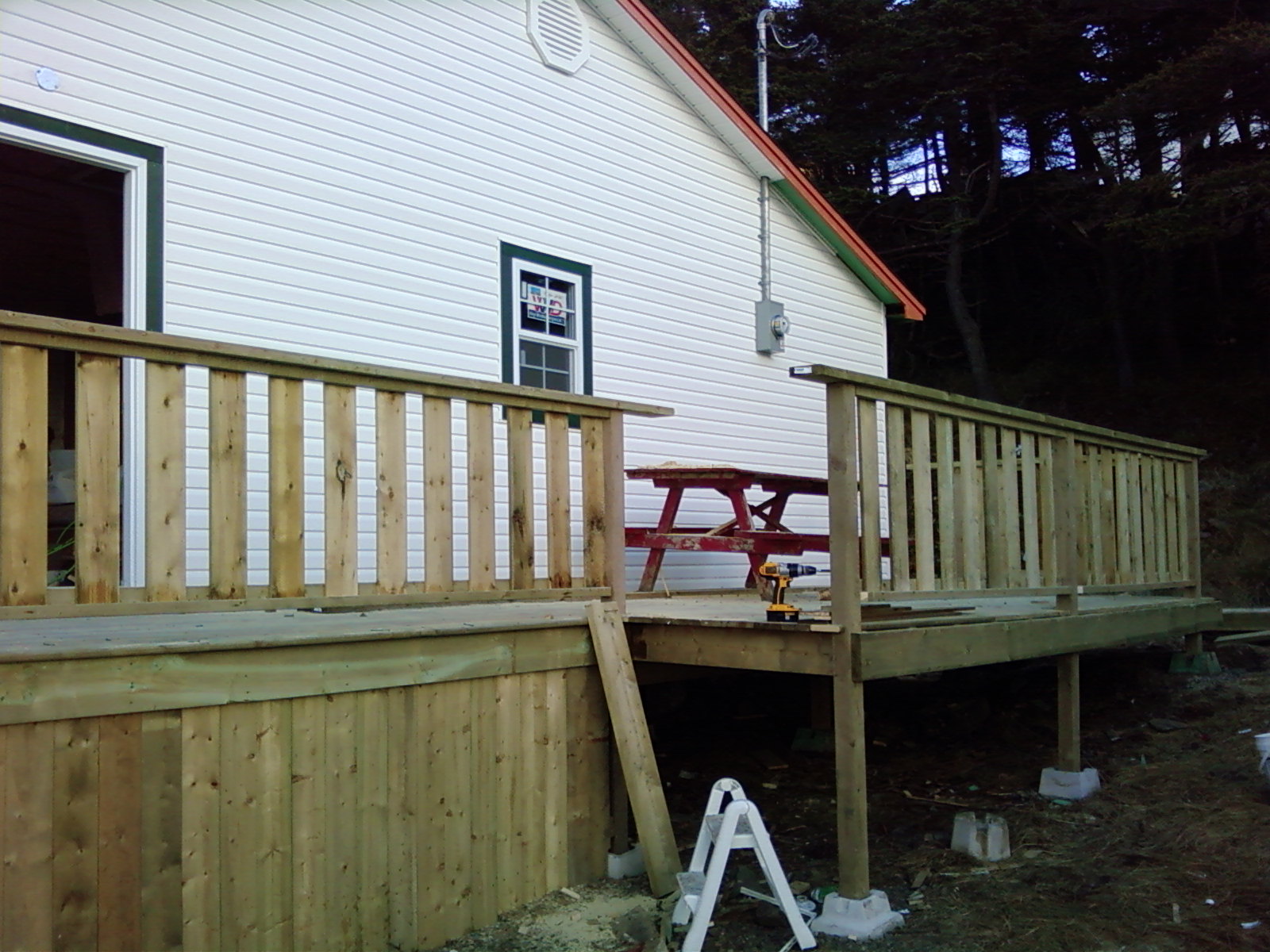
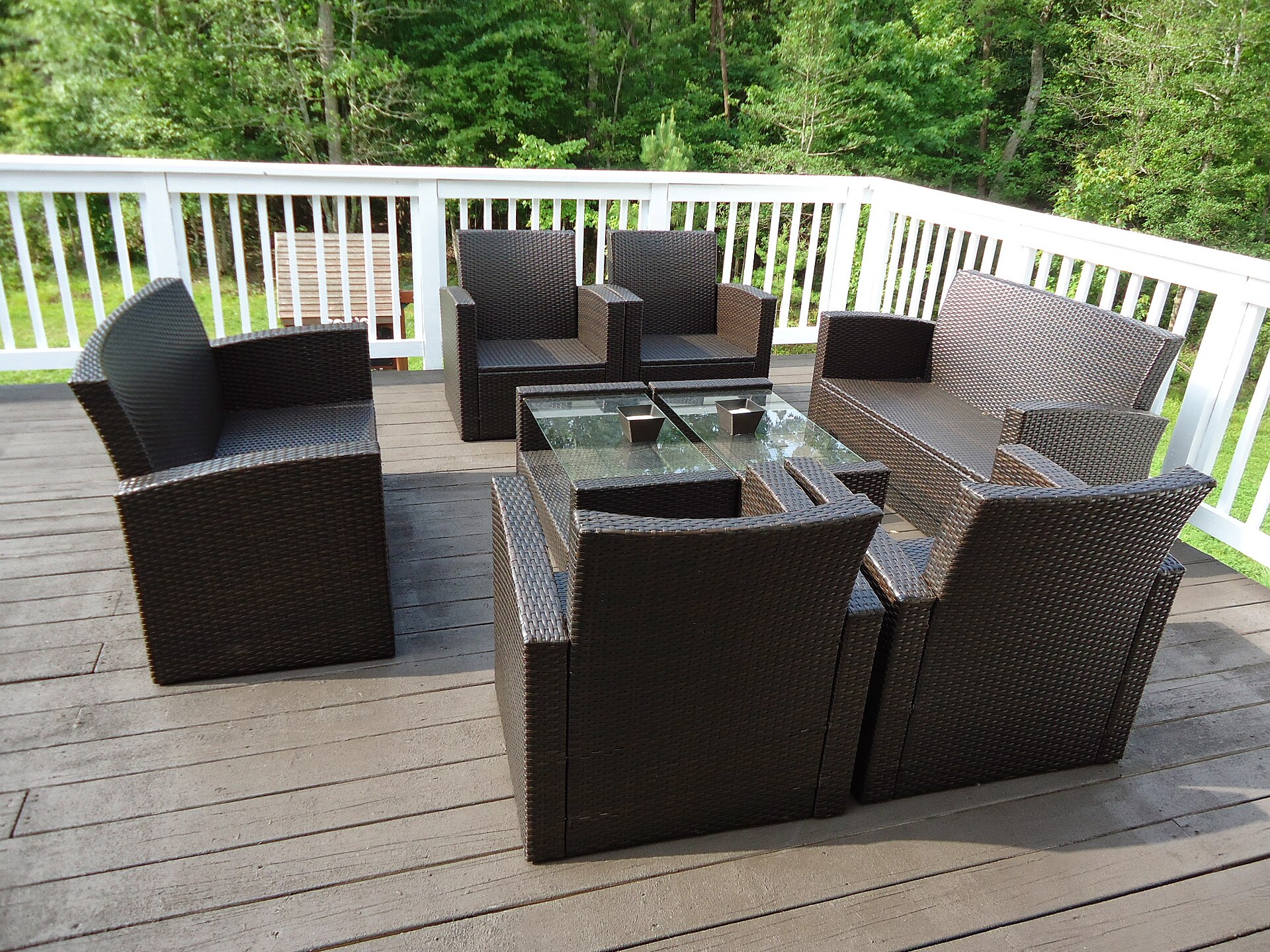
Buying a new deck in Kamloops
Kamloops had about 98,000 residents in the [2021 Census](https://www150.statcan.gc.ca/t1/tbl1/en/tv.action?geocode=A00055933042&pid=9810000203&request_locale=en). The city spreads across dry hills and benchland where the North and South Thompson rivers meet. Hot summers and freezing winter nights are typical, according to the [Kamloops climate normals](https://climate.weather.gc.ca/climate_normals/results_1991_2020_e.html?climate_id=1163780&dispBack=0&lstProvince=BC&searchType=stnProv). For a deck buyer that climate is the design brief: the structure has to carry snow, the ground has to hold footings through frost, and the materials have to survive sun and fire risk as well as rain.
Permits and bylaw rules
The City's [Building Permits](https://www.kamloops.ca/business-development/building-permits) page and its bulletin [When Building Permits Are Required](https://www.kamloops.ca/sites/default/files/docs/BLD_Bulletin_23-01-When-Permits-Are-Required.pdf) are the references. Under the City's Building Bylaw, Zoning Bylaw and the BC Building Code, a permit is required for a deck that is attached to a building or that supports a roof carrying a snow load, and for constructing a porch or balcony or significantly altering the structure or guards of an existing deck or balcony. Minor repairs and maintenance of a deck are exempt, but complete removal of structural materials or guards does require a permit. Work is filed through the City's ePermit system, and only the owner or an authorized contractor can apply. The City also warns that even listed minor projects can need a permit if they affect a structure, sit in an environmentally sensitive area near a lake or creek, or fall in a geotechnical area on a steep slope, so confirm before assuming a small deck is exempt.
Lots, soil and climate
Kamloops lots range from compact city parcels to larger benchland properties with long views, and the ground under them is mostly silt and clay rather than the rock and till of the coast. That soil holds water, moves with frost and can erode on a slope, so footing depth and drainage are not afterthoughts. The city is semi-arid: summers are long, hot and dry, with weeks near or above 30°C, and winters bring snow and hard frost. Decks here need ventilation and shade detailing so boards do not bake and check, and they need a structure sized for snow, not just the weight of a barbecue. Much of Kamloops sits in the wildland-urban interface, so fire-resistant materials and clean, debris-free detailing under and around the deck are worth asking about. On the hillside neighbourhoods, slope, access and guardrails drive both the design and the price.
The season
The main build season runs April through October. Late spring and early summer are the best footing weather, and July and August can be punishingly hot for crews, so schedules often shift to early starts. Winter builds are possible but slow, with frozen ground, snow cover and short days. Quotes should be in motion by late winter, because good crews fill the spring and early-summer slots first and the City's permit review adds its own lead time.
What drives the price and what to ask
Kamloops quotes swing on snow-load design, frost-depth footings, slope and hillside access, guardrails and stairs on a raised deck, wildfire-resistant materials and detailing, demolition and disposal of the old deck, and the choice between pressure-treated, cedar and composite. Long, hot summers and cold winters both shorten the life of a poorly detailed deck, so the flashing, ventilation and fasteners are not places to save.
Ask each Kamloops deck builder:
- Does my deck need a permit as an attached structure or one that carries snow load, and who files the ePermit?
- Are my footings designed for frost depth and the clay and silt on my lot, not just a standard detail?
- Is the deck structure sized for local snow load, and is that shown on the drawings?
- How do you detail the deck for fire resistance in the interface area?
- What guard height and railing does my finished deck height require under the BC Building Code?
- How is the deck ventilated and flashed so boards do not bake, check or rot?
- Is excavation a fixed price or an allowance if you hit hardpan, rock or fill?
- What does the written warranty cover — structure, labour and materials — and for how many years?