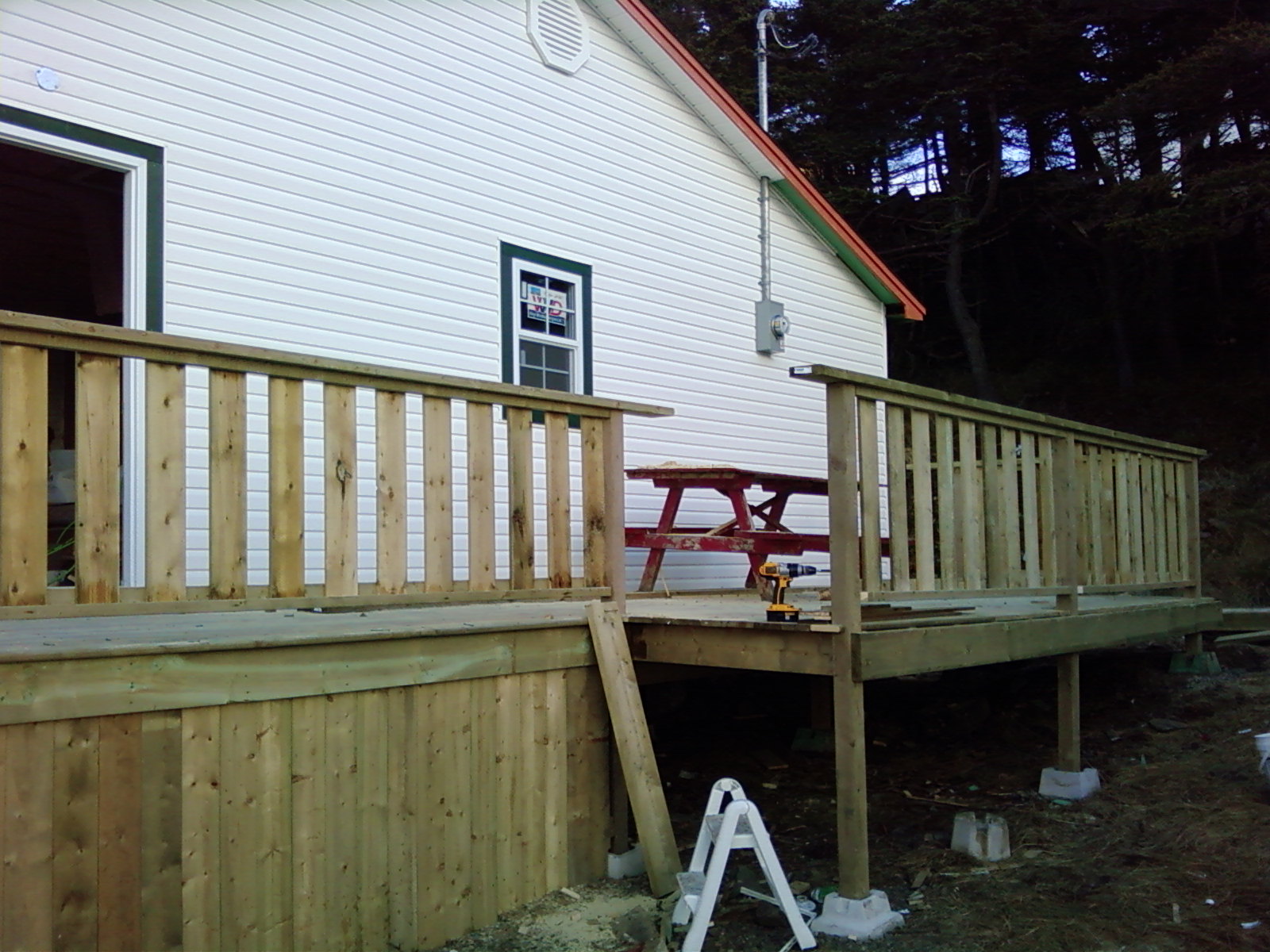
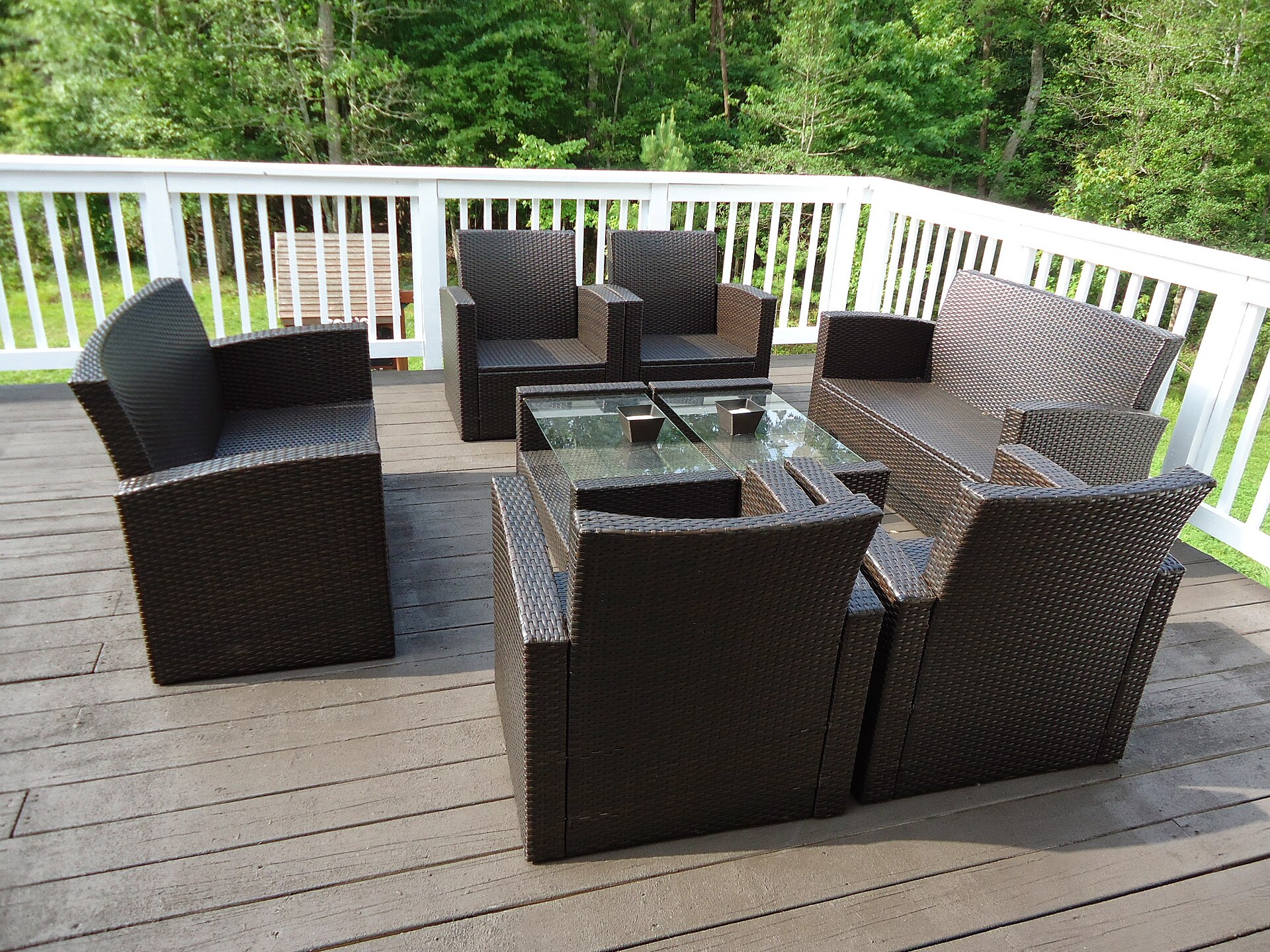
Buying a new deck in Courtenay
Courtenay, population about 29,000, sits where the Courtenay River meets Comox Harbour on the east coast of Vancouver Island, with the Beaufort Range rising behind town. The city runs from the older grid around downtown and Fifth Street, through Mission Hill, out to East Courtenay around Ryan Road and Crown Isle, and along the riverfront and Puntledge edges. This is a mild, wet coast, not a dry interior: a Courtenay deck is an outdoor room for a place that rains for much of the year, so drainage, rot resistance and a realistic maintenance plan matter as much as the view.
Permits and bylaw rules
Start with the City of Courtenay's [Guide to Residential Deck Construction](https://www.courtenay.ca/media/file/residential-deck-guide). It states that a building permit is required for a new deck, and for changes to the structural elements, guards or railings of an existing one. Zoning decides your setbacks to property lines and your maximum lot coverage — and coverage counts the house, the deck and any sheds together — so check the zoning for your address before anyone draws a plan. The application asks for two sets of construction drawings, double-line and to scale, including a site plan, cross-section and floor plan, with all dimensions, footing sizes, post size and spacing, sizing of every structural member and span, ledger flashing at the house connection, guards, stairs and handrails. Inspections are typically footings before concrete, framing before it is covered, and a final when guards and stairs are complete; the City asks 24 hours notice and warns that peak-season inspection slots fill quickly. If the lot is near a watercourse or in the floodplain, riparian and flood rules can set where the deck is allowed to sit.
Lots, soil and climate
Comox Valley ground is a mix of glacial till and gravel, marine clay near the estuary, and rock in the uplands. Lots close to the Courtenay River and the dyke can carry a high water table, and west-side streets climb enough to turn a simple platform into a stair-and-landing build. Wet winters are the design enemy: moss, mould and rot attack softwood under tree cover, which is why composite or PVC boards hold their value here and why cedar needs a genuine re-staining cycle in the budget. Footings need to be detailed for wet ground, not just August conditions.
The season
The build window runs roughly April through October. Late winter is the right time to have quotes and permits moving for a late-spring or summer start; by May the established crews are booked into fall. Off-season builds happen in Courtenay's mild climate, but rain days stretch schedules and open framing does not want to sit through a November storm.
What drives the price and what to ask
Quotes swing on slope and height above grade, the footings needed for wet or clay ground, engineering near a watercourse, railing choice, material selection, and demolition and disposal of the old deck. Decking stock also carries freight to the Island, which shows up in material line items.
Ask each Courtenay deck builder:
- Does my deck need a permit under the City's guide, and who prepares the to-scale drawings?
- Have you checked my zoning for setbacks and lot coverage, including the existing house and sheds?
- Where do you expect water or clay in the footings, and is that priced in or an allowance?
- Is the ledger flashing detail in the quote, and how does it tie into my siding?
- What guard height and railing does my deck height trigger under the BC Building Code?
- Which board do you stand behind on a shaded, wet lot, and what does ten years of upkeep cost?
- Is the quote fixed for excavation and rot repair once the old deck comes off?
- What is the structural warranty, and who answers it locally in year four?